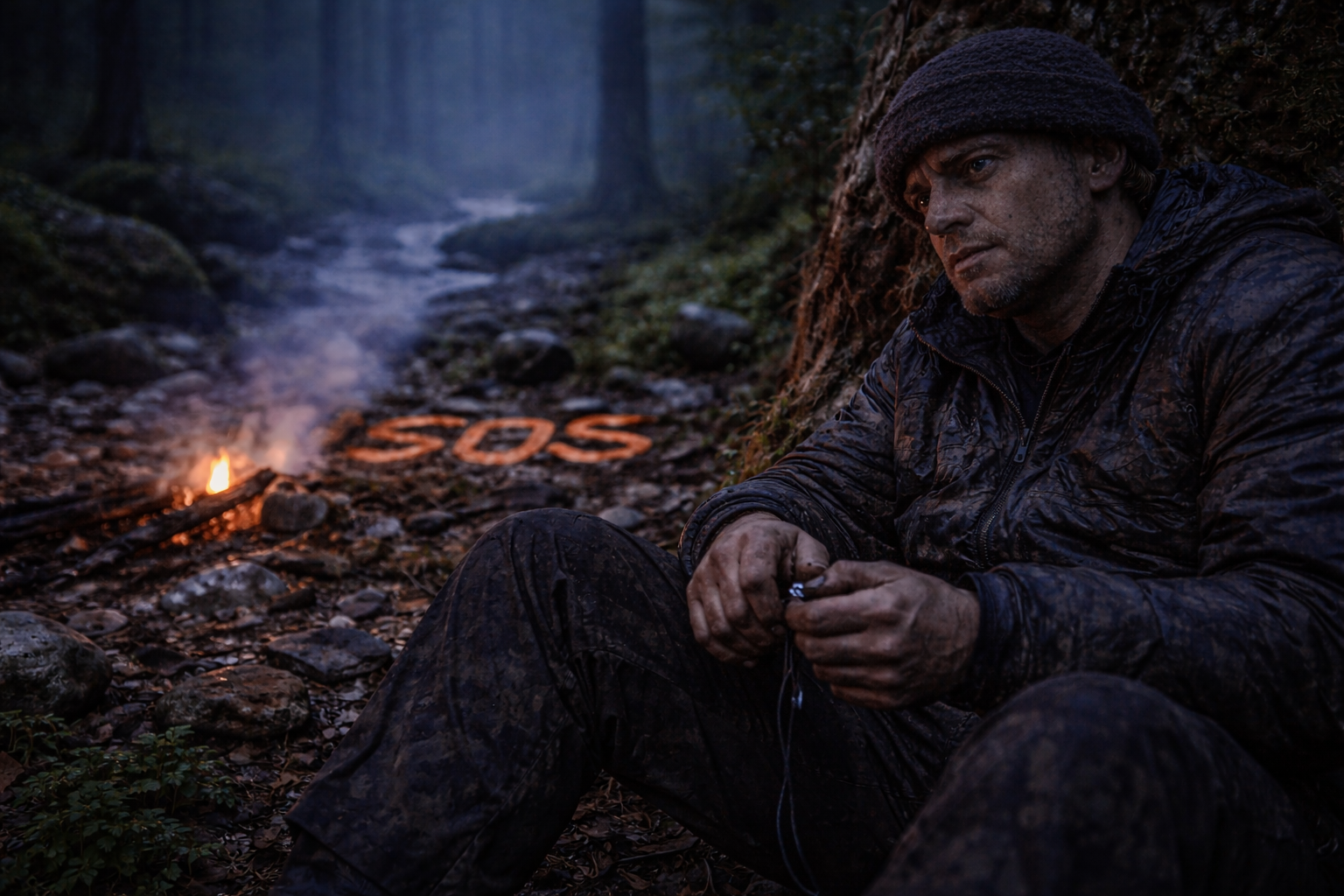
Most people think survival is about action.
Building. Moving. Searching. Doing something.
That instinct kills more people than cold or hunger.
The Silence Trap
When the environment goes quiet—no wind, no animals, no movement—the human brain panics. Silence feels wrong. Unsafe. Like time is being wasted.
So people move.
They leave shelter too early.
They abandon a working fire.
They follow random sounds or “gut feelings”.
And that’s when things fall apart.
Why Stillness Feels Like Failure
Modern life trains us to react instantly.
Notifications. Alarms. Deadlines.
In nature, stillness is information.
Silence often means:
- Predators are nearby
- Weather is about to change
- Animals have already detected something you haven’t
Early humans survived not by speed—but by restraint.
Real Survival Pattern
Experienced survivors do the opposite of panic behavior:
- They pause when nothing happens
- They observe when instincts scream “move”
- They wait until the environment reveals itself
Silence isn’t empty.
It’s a test.
The Rule That Saves Lives
If nothing is forcing you to move—
don’t be the first thing that breaks the quiet.
Nature notices motion.
It ignores patience.