In a world that constantly pushes us to move faster, react quicker, and do more, one of the most powerful survival skills is surprisingly simple — the ability to be still.
Whether you’re deep in the wilderness or facing an unexpected crisis, panic is often the real enemy. When adrenaline spikes, people make rushed decisions: they wander off trail, waste energy, or overlook obvious solutions. But those who can pause, breathe, and observe gain a massive advantage.
🧭 Why stillness matters in survival
When you stop moving and calm your mind, your senses sharpen. You begin to notice subtle sounds — wind direction, distant water, animal movement. You conserve calories and reduce dehydration. Most importantly, you give your brain time to shift from fear to problem-solving.
Experienced outdoorsmen often follow a simple rule: Stop → Think → Observe → Plan → Act. This short pause can prevent hours — or days — of mistakes.
🔥 Real-world example
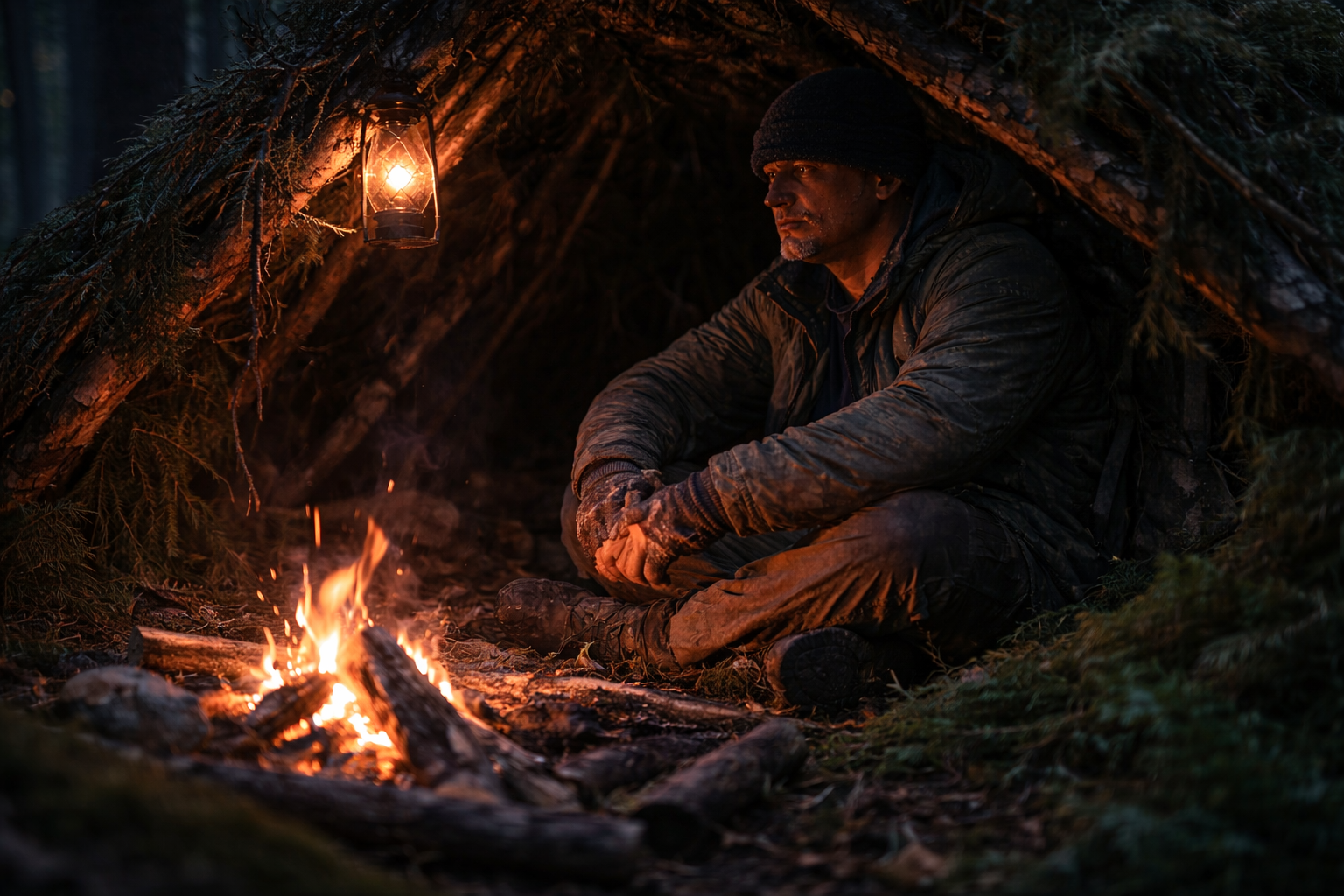
Imagine realizing you’re lost as daylight fades. The instinct is to rush and “find a way out.” But moving blindly in low light increases injury risk. Instead, stopping to set a small camp, gather your thoughts, and wait for morning can dramatically improve your chances.
🪵 How to train this skill
- Spend time alone in nature without distractions.
- Practice slow breathing during stressful workouts or cold exposure.
- Try short “observation drills” — sit quietly and note everything you hear and see for 10 minutes.
- Simulate scenarios where you must pause before acting.
💡 The hidden benefit
Stillness builds mental resilience. Over time, you become less reactive not just outdoors, but in everyday life — from decision-making to handling pressure.