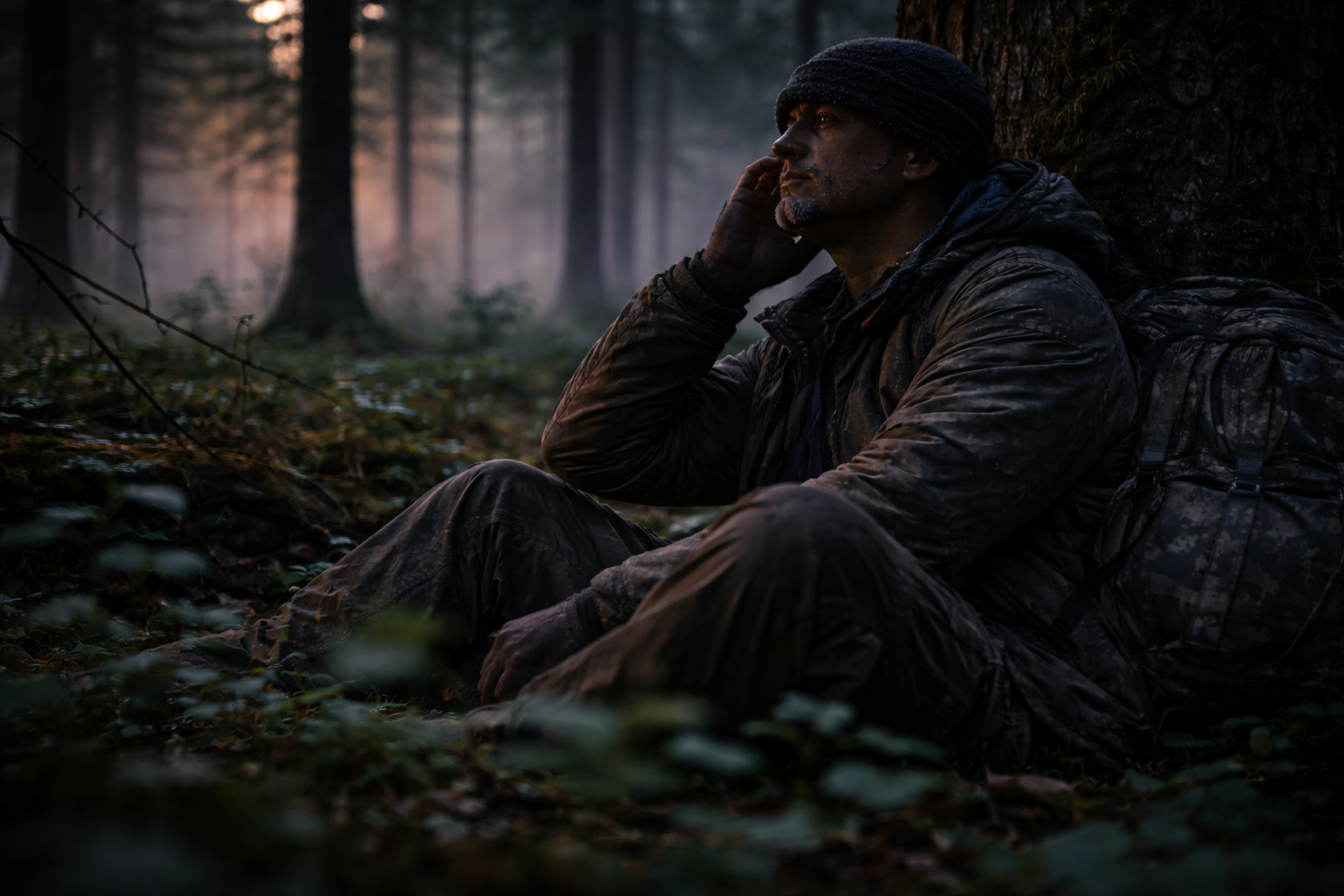

In survival, people often think of fire, shelter, or tools as the most important skills. But there’s a quieter ability that experienced outdoorsmen rely on — the skill of listening.
When you step into nature, the environment is constantly communicating. The wind moving through trees, the sudden silence of birds, the distant crack of a branch — these are signals that can tell you far more than any gadget.
👂 Why Listening Matters
Listening helps you detect changes before they become problems. A shift in wind might signal incoming weather. Unusual animal behavior can hint at predators nearby. Even the rhythm of a forest can guide you back if you’re disoriented.
Many survival experts say that the moment you truly start listening is the moment you stop feeling lost.
🧠 Training Your Awareness
Try this simple exercise:
Sit quietly for five minutes outdoors. Close your eyes and identify as many distinct sounds as possible. You’ll quickly realize how rich the environment is — and how much we normally ignore.
Over time, this practice sharpens your instincts and builds calm under pressure.
🏕️ Practical Benefits
- Move more safely through unfamiliar terrain
- Detect approaching weather changes earlier
- Reduce panic by staying mentally grounded
- Improve navigation without relying on technology
🔥 The Deeper Lesson
Listening isn’t just about survival — it’s about connection. When you slow down and pay attention, nature stops feeling hostile and starts feeling like a partner.
And in difficult situations, that mindset can make all the difference.