When people get lost, they start looking for something external to guide them — a path, a sign, a signal. But the truth is, the most reliable guide has always been above you.
The sky doesn’t get lost.
During the day, the sun is your simplest tool. It rises in the east and sets in the west — basic knowledge, but useless if you don’t apply it. What matters is movement. The sun moves, shadows change, and if you don’t track that, you lose your sense of direction faster than you think.
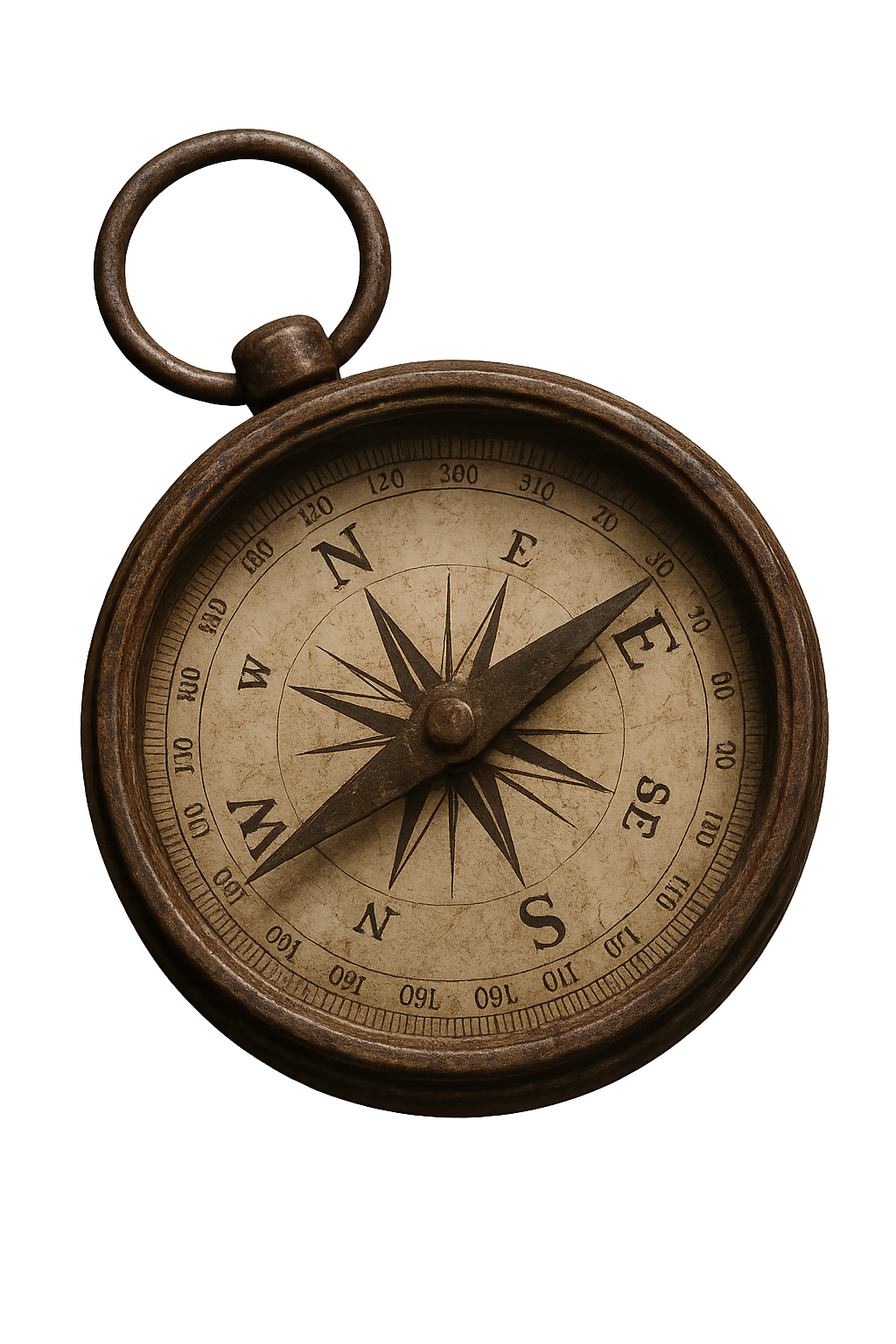
A simple stick in the ground can become a compass. Place it upright and mark the tip of its shadow with a stone. Wait 15–20 minutes and mark the new position. The line between those two points gives you a rough west–east direction. It’s not perfect, but in survival, perfect is not required — direction is.
At night, everything becomes quieter. Slower. More honest.
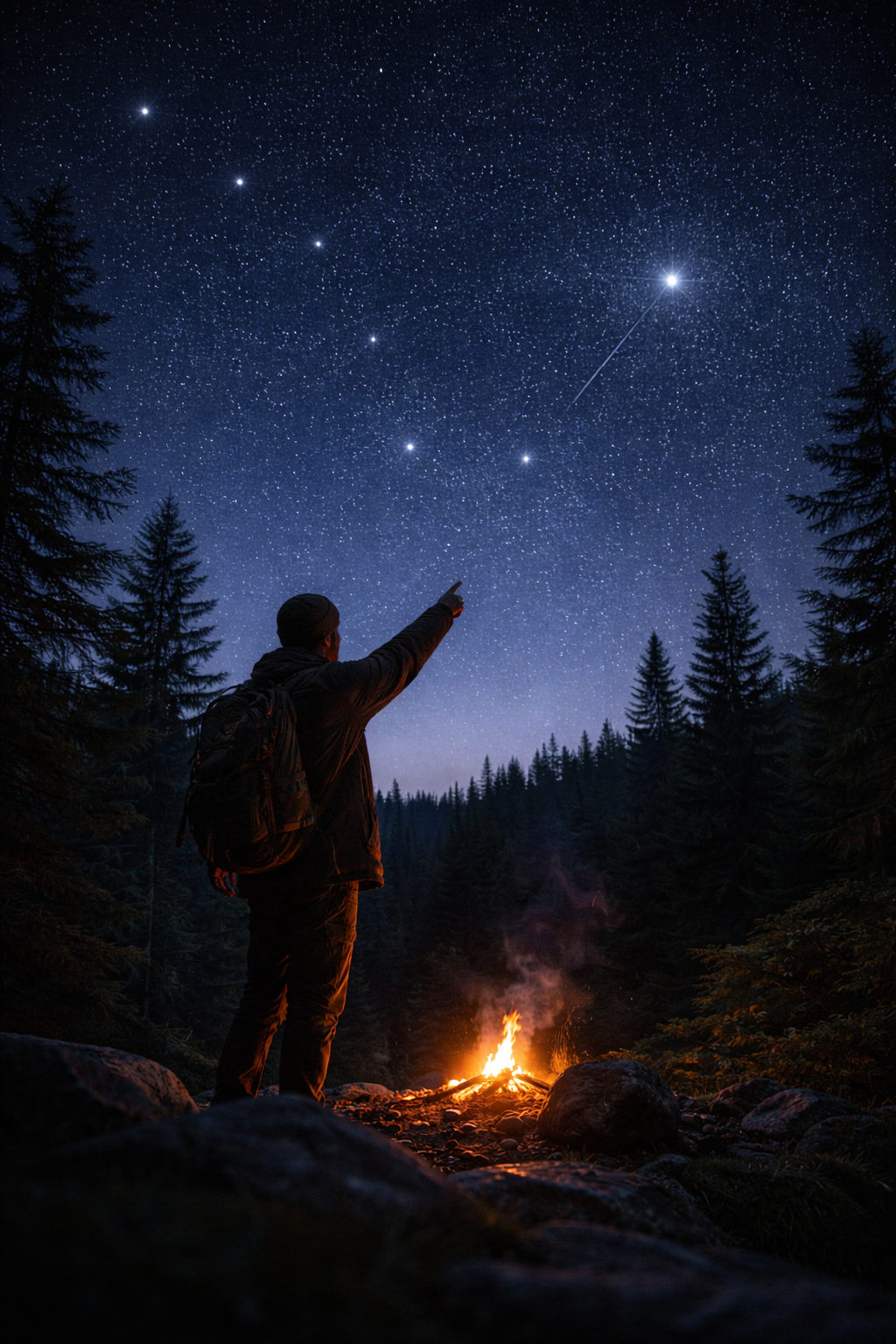
Find the North Star. It doesn’t move like the others. It stays almost fixed in the sky, and if you can find it, you always know where north is. The easiest way is to locate the Big Dipper — follow the edge of its “bowl,” and it will point you straight to Polaris.
Clouds, wind, terrain — they all tell stories too. In some regions, trees grow slightly thicker on one side due to sun exposure. Snow melts unevenly. Moss may grow more densely on shaded sides. None of these signs are perfect alone, but together they create a pattern.
And that’s the real skill: not finding one answer, but reading many small ones.
Navigation in the wild is not about certainty. It’s about reducing mistakes. Every correct adjustment keeps you alive longer, moves you closer to something — water, a path, a way out.
Most people don’t get lost because they had no tools. They get lost because they stopped paying attention.