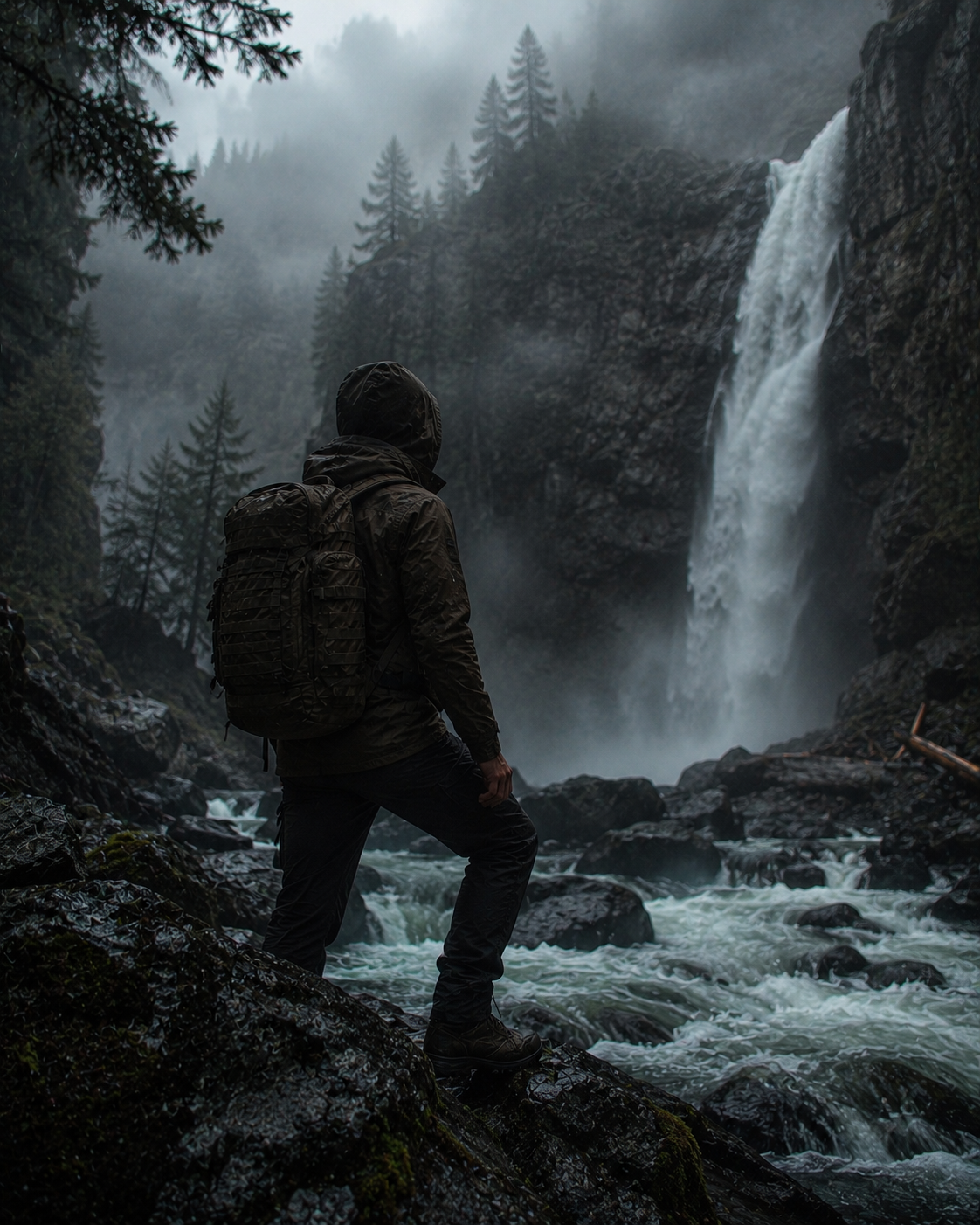
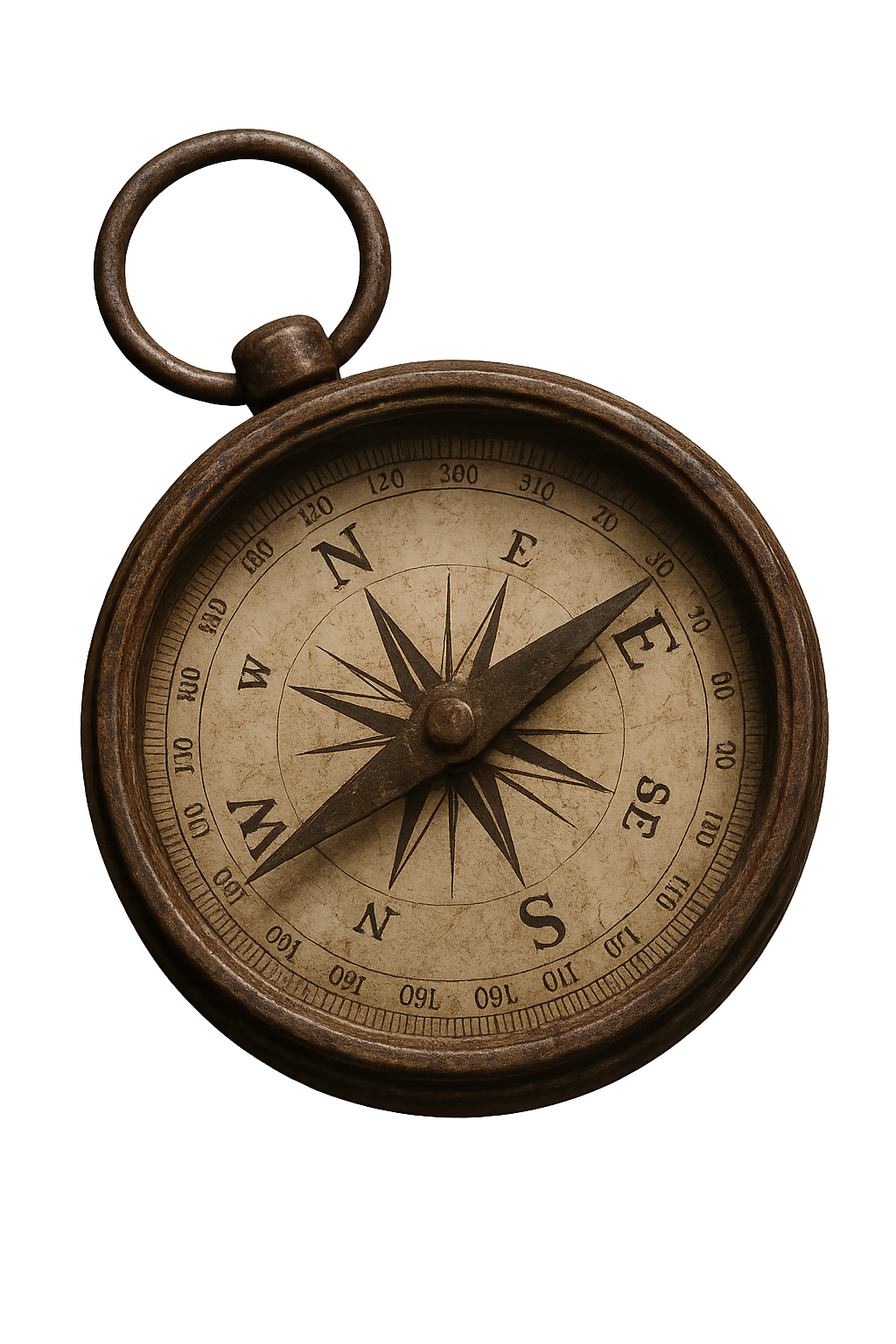
Night changes everything.
The same forest that felt calm during the day suddenly feels unfamiliar. Shadows move differently. Every sound feels closer. Every silence feels wrong.
And fear grows fast in darkness.
Not because the danger suddenly increased — but because your mind lost visual control. Humans depend on sight more than we realize. When visibility disappears, imagination takes over.
That’s why night breaks people mentally before it breaks them physically.
The first thing you need to understand is this:
Fear at night is normal.
Your brain is trying to protect you by becoming hyper-aware. The problem is not fear itself — it’s letting fear control your actions.
Because once panic starts, logic disappears.
You begin hearing threats in every branch snap. You imagine movement where there is none. You waste energy, leave shelter, abandon fire, make decisions you would never make during daylight.
So your goal is not to “be fearless.”
Your goal is to stay rational.
Preparation starts before darkness arrives.
A weak shelter feels ten times worse at night. A small fire feels smaller. An unorganized camp becomes stressful. That’s why experienced survivors prepare early — not because they fear the night, but because they respect what it does to the mind.
Once darkness comes, reduce unnecessary movement.
The wild becomes harder to read at night. Terrain hides hazards. Direction becomes unreliable. Unless movement is absolutely necessary, staying controlled and protected is usually smarter.
Use sound correctly.
Don’t react instantly to every noise. Forests are alive at night. Animals move. Trees shift. Wind changes. Most sounds mean nothing.
Listen for patterns instead.
Repeated movement. Directional sound. Changes in behavior around you. Calm observation tells you more than panic ever will.
And keep your fire alive if possible.
Not just for warmth — for psychology. Light changes the way your brain processes darkness. A fire creates structure, visibility, familiarity. It gives your mind something stable to hold onto.
But the most important thing is this:
Night always feels longer than it really is.
Fear stretches time. Discomfort stretches time. But morning comes whether you panic or not.
The people who survive are usually the ones who understand that darkness is temporary… and refuse to let their mind become more dangerous than the wilderness itself.