Most people think survival is about skills.
Fire. Shelter. Water.
But before all of that, there is one decision that quietly determines everything that follows:
Where you stop.
Choose the wrong place, and every action becomes harder. Fire won’t hold. Shelter won’t protect. Water will be too far. Wind will never stop. And slowly, the situation turns against you.
Choose the right place, and survival becomes manageable.
So you don’t rush this decision.
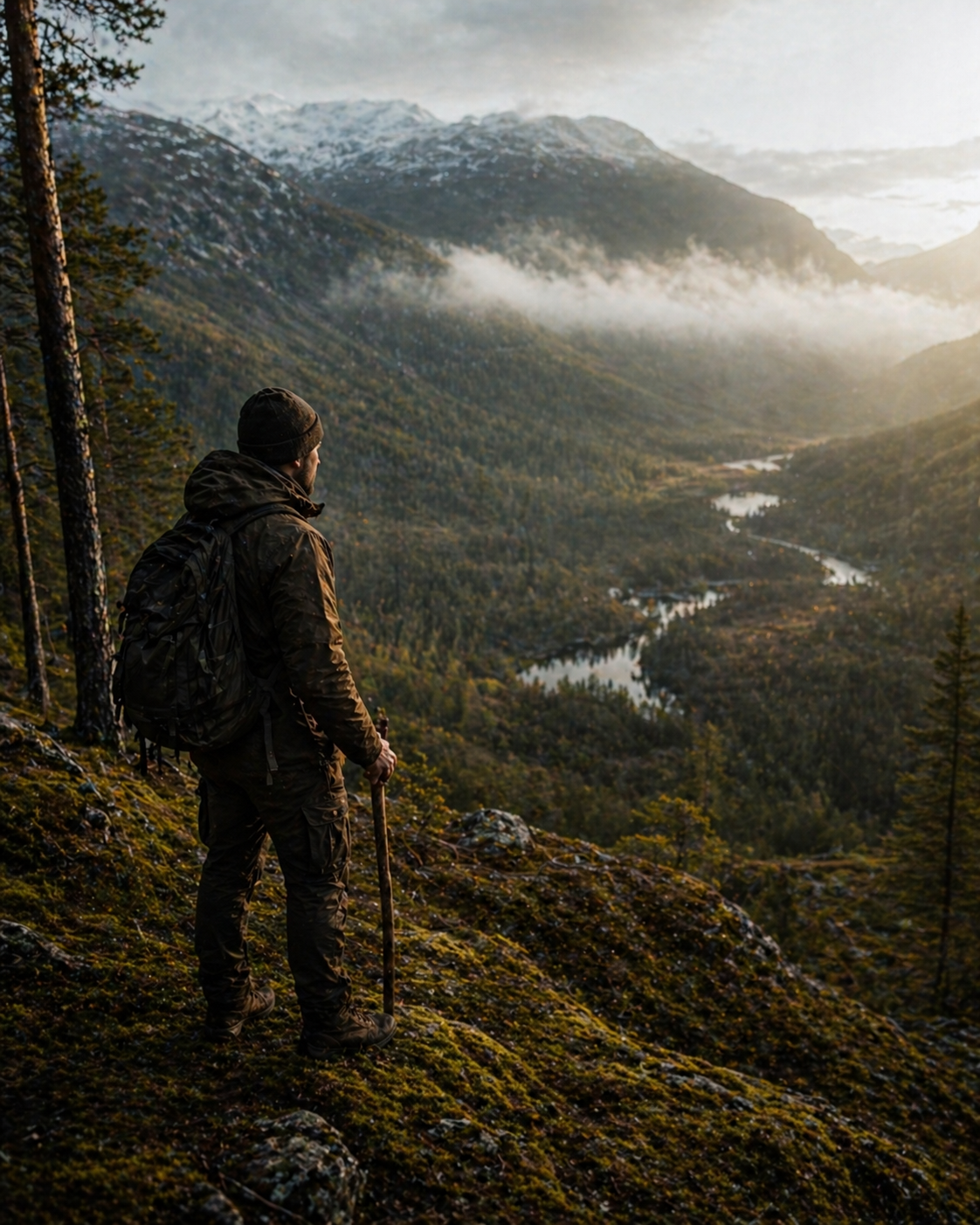
You read the land.
Avoid low ground unless you need water. Cold air sinks. Moisture collects. What feels like a safe, hidden spot during the day becomes a freezing trap at night.
But high ground isn’t always the answer either. Exposed ridges bring wind — constant, draining, relentless. You want elevation, but with protection. Slightly above the lowest point, but not where the wind has full control.
Look for natural barriers.
Trees, rocks, terrain curves — anything that breaks wind and creates stability. The wild is full of places that already offer protection if you take the time to notice them.
Water should be close, but not too close.
Rivers rise. Rain changes everything. What looks calm can flood without warning. Stay near enough to access water, far enough to stay safe.
Think about tomorrow.
Where will the sun rise? Will your shelter get light and warmth, or stay cold and damp all day? Morning sunlight can change your entire condition.
And then there’s something harder to explain, but just as real:
Silence.
A good place feels stable. Not empty — but balanced. Less noise, less movement, fewer signs of constant change. Animals pass through chaotic areas. They rest in stable ones. Learn from that.
Because in the wild, you’re not just surviving the moment.