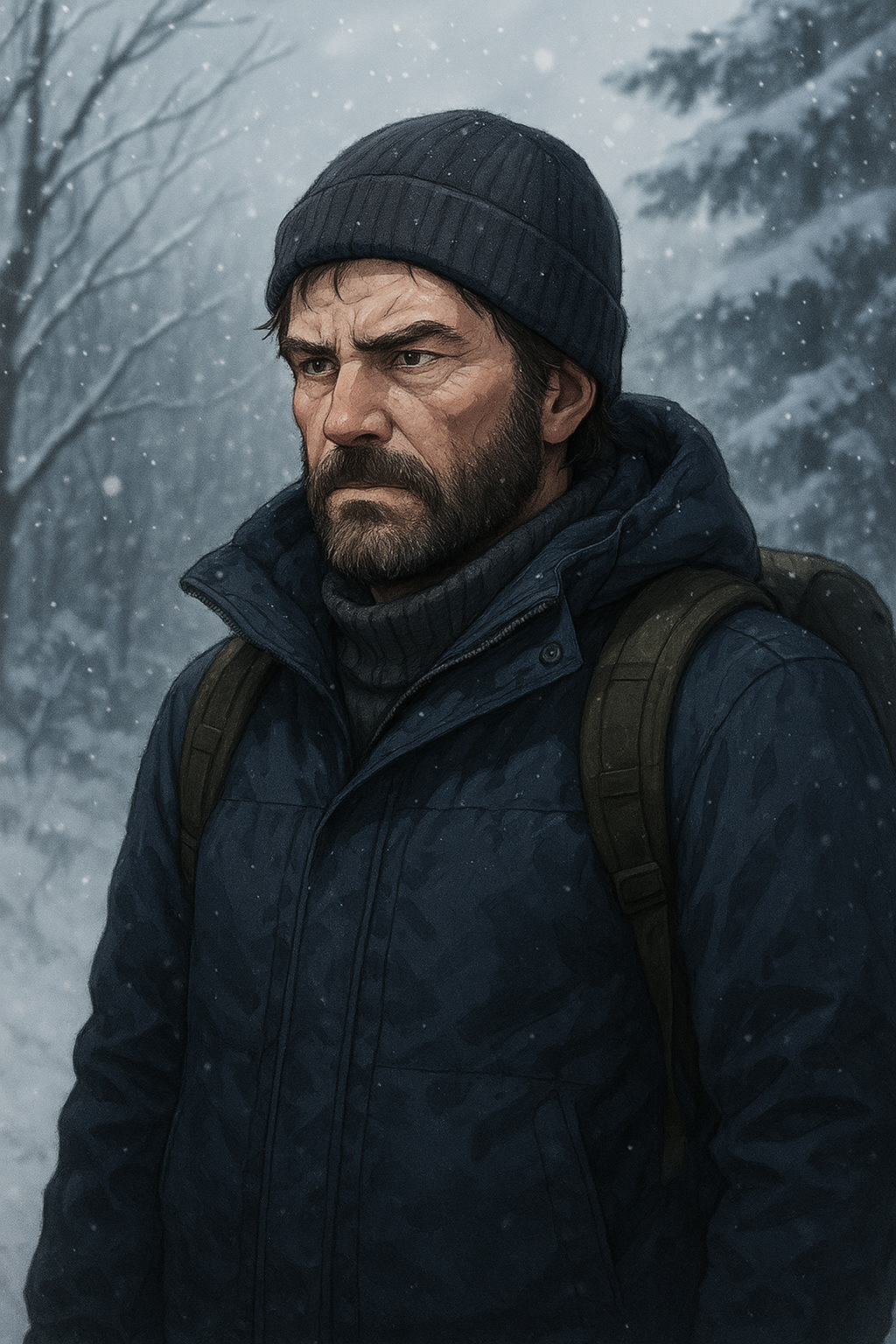

When winter turns deadly, survival stops being about “how many layers you wear” — and becomes a question of what those layers are made of.
In extreme cold, the right fabric can save your life…
The wrong one can trap moisture, steal your heat, freeze solid, or even accelerate hypothermia.
This guide breaks down the best and worst winter fabrics, why they matter, and how to choose the right materials for subzero survival — even if you’re on a budget.
🔥 Why Fabric Matters More Than the Number of Layers
In survival situations, fabric determines:
-
How fast moisture leaves your skin
-
How much body heat your layers trap
-
Whether your clothes freeze, stay flexible, or become dangerous
-
How well you stay warm after sweating (a critical factor many forget)
-
How resistant you are to wind, snow, and ice
Two people wearing the same number of layers can experience completely different levels of warmth — simply because of fabric choice.
🟢 BEST FABRICS FOR EXTREME WINTER SURVIVAL
Below are the top materials trusted by mountaineers, Arctic explorers, soldiers, and professional survivalists.
1. Merino Wool — The Gold Standard of Cold Survival
If you could only pick one fabric for extreme winter…
Merino wool wins every time.
Why it’s unbeatable:
-
Keeps you warm even when wet
-
Breathes well and regulates heat
-
Anti-odor (you can wear it for days)
-
Dries faster than traditional wool
-
Soft, not itchy
Perfect for: Base layers, socks, gloves, hats, mid-layers.
Pro survival tip:
Merino wool is one of the few fabrics that still insulates after sweating, making it vital during long hikes in the cold.
2. Fleece — Lightweight, Fast-Drying, Warm for Its Weight
Fleece is a synthetic miracle for survival use.
Why fleece works:
-
Retains heat even when damp
-
Dries extremely fast
-
Light but warm
-
Pairs well under windproof shells
-
Affordable
Perfect for: Mid-layers, secondary insulation, emergency backup clothes.
Survival trick:
Carry a fleece layer in a waterproof bag. Even if everything else gets wet, fleece can bring your core temperature back up fast.
3. Down — The Warmest Insulation Ever Made (But with a Weakness)
Down is nature’s best insulator, used in Arctic expeditions.
Why down is incredible:
-
Insanely warm
-
Lightweight and highly compressible
-
Long-lasting if treated well
But the downside:
Down becomes useless when wet — it collapses and loses all insulation.
Best choice:
Hydrophobic or treated down, which repels moisture far better.
Use down for: Outer insulation in dry, freezing climates, not wet snowstorms.
4. Synthetic Insulation (Primaloft, Climashield) — “Warm Even When Wet” Champions
If you expect wet snow, freezing rain, or sweat-heavy activity, synthetics outperform down.
Advantages:
-
Insulates when wet
-
Dries quickly
-
Great for high-activity winter survival
-
Budget-friendly options available
This is the fabric used in military cold-weather gear for a reason.
5. Gore-Tex & Softshells — Your Wind & Water Shields
The outer shell matters as much as the insulation underneath.
Why these shells are essential:
-
Block freezing wind
-
Repel water
-
Allow sweat vapor to escape
-
Keep insulating layers dry
A good shell multiplied the power of your insulation.
🔴 WORST FABRICS FOR EXTREME WINTER SURVIVAL
These are materials that can literally kill you in brutal cold.
1. Cotton — “The Fabric of Hypothermia”
The survival community has a famous rule:
Cotton kills.
Why cotton is dangerous:
-
Absorbs sweat and water
-
Dries extremely slowly
-
Loses insulation when wet
-
Freezes and becomes stiff
Never use cotton for: Socks, underwear, base layers, shirts, mid-layers.
It’s fine only for indoor chores or casual use — not survival.
2. Denim — Heavy, Slow-Drying, and Heat-Stealing
Jeans are one of the worst choices for cold environments.
They:
-
Soak easily
-
Become heavy and rigid
-
Drain heat rapidly
-
Freeze into icy armor
If you fall into snow with denim on, you’ll be miserable for hours.
3. Basic Polyester T-Shirts
They wick moisture poorly, trap sweat, and create cold spots.
They’re acceptable only as a last resort — and never directly on the skin in freezing weather.
🧩 How to Combine Fabrics for Maximum Warmth
Your clothing system matters more than individual pieces.
The perfect winter survival setup:
BASE LAYER (touching skin)
-
Merino wool
-
Synthetic thermal
Avoid: cotton
MID-LAYER (insulation)
-
Fleece
-
Wool
-
Synthetic insulated jacket
OUTER SHELL
-
Gore-Tex
-
Softshell
-
Windproof/waterproof jacket
EXTREME COLD BONUS LAYER
-
Down or synthetic puffer
This combination works in –30°C to –40°C temperatures with proper layering.
🔥 Final Survival Tip
The warmest clothing is useless if:
-
It gets wet
-
It traps sweat
-
It exposes your skin to wind
Your survival depends on fabric choice + moisture control + wind protection.
Master these three, and winter becomes much less deadly.