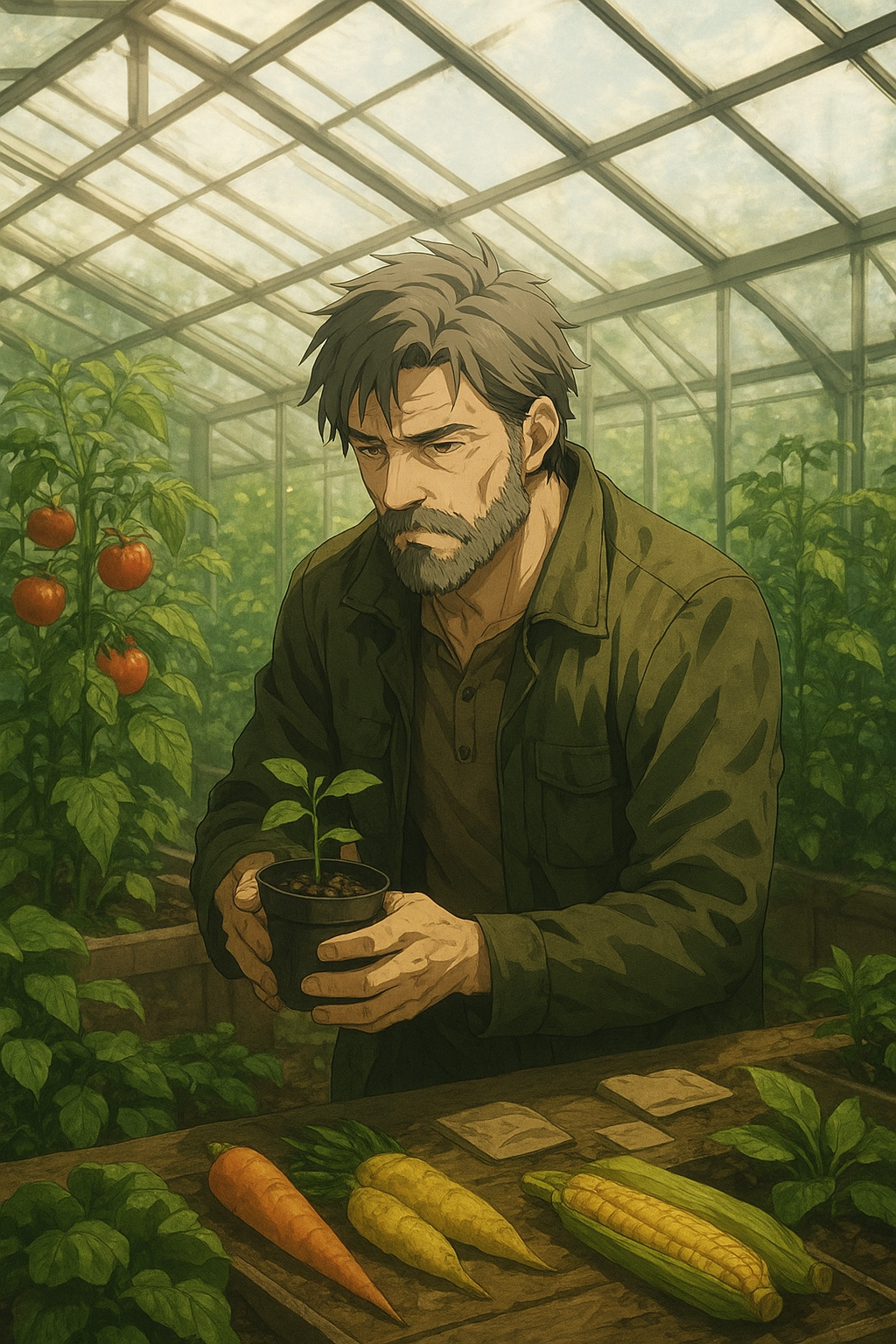

When the world becomes unpredictable, survival depends on one simple truth — a steady source of fresh food.
That’s where the Survival Greenhouse comes in — not just a glass box, but a fully self-sustaining food system that keeps you fed year-round, no matter the weather, crisis, or collapse.
🌿 Why a Greenhouse Is the Beating Heart of Self-Reliance
A normal garden dies with the first frost.
A greenhouse, however, turns even winter into a harvest season.
It shields your crops from freezing winds, pests, drought, and radiation — creating a controlled ecosystem where nature works for you.
You’re no longer at the mercy of grocery stores, trucks, or fragile supply chains.
Each seedling under that roof represents freedom, resilience, and food security.
🔧 How to Build a Greenhouse That Can Outlast Anything
-
Choose the perfect location.
Sunlight is your greatest ally. Face your greenhouse south to capture the most light, even during dark winter days. -
Use materials that endure.
Polycarbonate panels insulate better than glass, while galvanized steel frames can withstand heavy snow and high winds. -
Master airflow and heat.
Install vents for cooling, collect rainwater, and use compost heat — an ancient trick that warms the soil naturally. -
Lay a “smart” foundation.
Stone or concrete walls absorb heat by day and release it by night, while raised beds with mulch layers help trap moisture and warmth.
🌽 What to Grow Inside a Survival Greenhouse
Think beyond just lettuce. A real survival greenhouse should offer variety, nutrition, and regrowth potential.
Plant root crops like carrots and potatoes, leafy greens like kale and spinach, and high-calorie foods like beans and squash.
Include herbs for flavor and medicine — basil, thyme, mint, and oregano thrive indoors.
Rotate crops, re-seed often, and create your own seed bank right inside your greenhouse.
That way, even if the outside world falls silent — your garden keeps producing.
🌎 The Long Game of True Self-Sufficiency
Building a survival greenhouse isn’t about escaping reality — it’s about taking control of it.
Every beam you place, every plant you nurture, brings you closer to independence.
When storms rage, shelves empty, or systems fail — your greenhouse stands quietly in the sun, feeding you when the world can’t.