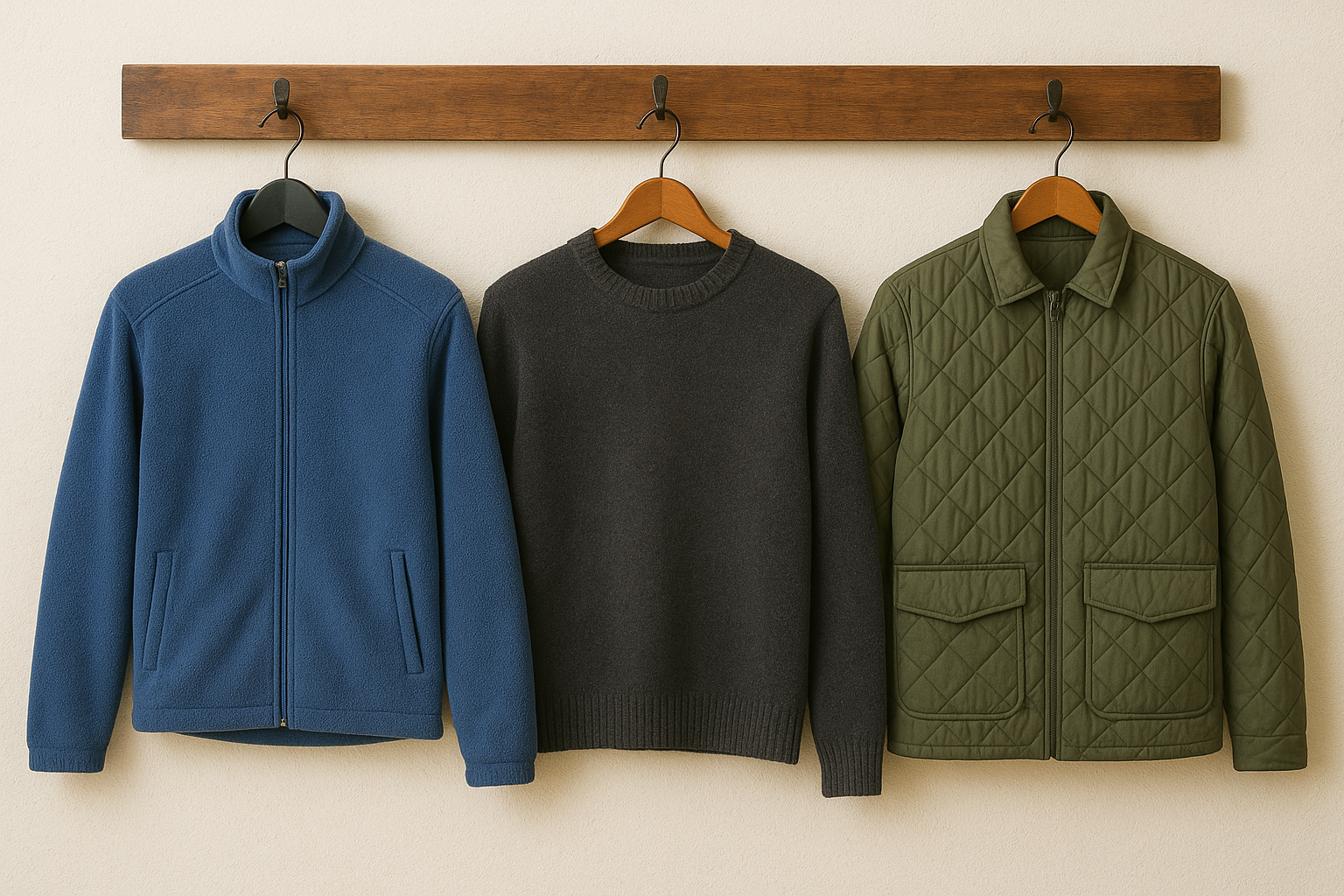

When temperatures drop to the point where metal cracks, batteries die, and breath crystallizes mid-air, the difference between surviving and freezing often comes down to how well your clothing system manages heat, moisture, and airflow.
Most people think “just add more layers.”
Wrong.
In real winter survival, every layer has a job — fail one job, and the whole thermal system collapses.
This post dives into advanced layering science, used by arctic explorers, elite mountain rescue units, and long-term winter homesteaders.
🔥 Part 1: Heat Management Isn’t About Warmth — It’s About Control
Most winter beginners think clothing should “keep you warm.”
But your body is the heater.
Clothes just regulate:
-
Heat release
-
Heat reflection
-
Moisture transfer
-
Airflow restriction
The goal isn’t trapping all heat — the goal is trapping the right amount.
Too warm? You sweat → moisture freezes → you lose heat 25x faster.
Too cold? Your body burns calories like fuel → you crash.
This is why advanced layering matters.
🧩 Part 2: The 4-Layer System Used by Arctic Survivors (and Why It Works)
Forget the typical “base-mid-shell” system.
In extreme cold, you need something more sophisticated:
1️⃣ Dry Layer (Skin Layer)
This layer’s job: Never let sweat stay on your skin.
Best materials:
-
High-grade merino
-
Polypropylene (elite moisture-transfer king)
-
Nylon blends for active movement
Avoid: cotton at all costs — it’s a heat killer.
2️⃣ Active Insulation Layer (Heat Modulator)
This is what you wear while moving.
Its job:
-
Keep you warm without overheating
-
Dump heat fast when your heart rate goes up
Best choices:
-
Light grid fleece
-
Polartec Alpha
-
Thin synthetic puff layers
This piece decides whether your body stays in “thermal balance.”
3️⃣ Static Insulation Layer (Heat Storage Engine)
Put on only when not moving — resting, cooking, building camp.
This layer traps maximum heat.
Best materials:
-
High-fill down (in dry cold)
-
Thick synthetic (in humid cold or snowfall)
-
Expedition parkas
This is your survival heat battery.
4️⃣ Weather Shield Layer (Your Last Line of Defense)
Designed to block:
-
Wind
-
Snow
-
Ice particles
-
Convective heat loss
But advanced survivalists know:
👉 A good shell must breathe.
Otherwise, sweat kills you from the inside.
Best materials:
-
eVent
-
FutureLight
-
Softshell hybrids for mobility
-
Classic Gore-Tex (if conditions aren’t too humid)
❄️ Part 3: The “Heat Valve” Zones Most People Forget
Your body leaks heat like a system of vents.
Survivors control these to avoid freezing OR sweating:
Key heat valves:
-
Wrists — massive blood flow area
-
Neck — major radiator
-
Head — heat escape hatch
-
Armpits — moisture accelerator
-
Lower back — sweat zone with severe evaporation loss
-
Ankles — cold creeps upward from here
Sealing or opening these zones gives you micro-control of your body temperature.
Example:
Unzip armpit vents during high activity → prevent sweat freeze.
Seal wrist gaiters during static rest → preserve heat.
Mastering these is what separates real survivors from amateurs.
🧊 Part 4: The Rule of “Dynamic Adjustment” — Never Wear the Same Outfit All Day
Winter survival clothing is not static.
Pros adjust constantly:
-
Remove insulation before hiking uphill
-
Add insulation immediately when stopping
-
Vent heat the moment sweating starts
-
Switch hats depending on activity
-
Rotate gloves for dry backups
If you stay in the same layers regardless of conditions,
👉 you are losing heat, energy, and safety without noticing.
Real survival is constant micro-management of your clothing system.
🔥 Part 5: The Invisible Enemy — Moisture Migration Inside Your Layers
Cold kills.
Moisture kills faster.
But moisture between layers is the silent killer no one talks about.
Here’s what happens:
-
You sweat → vapor enters layers
-
Cold temps push it outward
-
It freezes inside insulation
-
Your insulation collapses
-
You lose heat even with “good gear”
Survivalists fix this by:
-
Using highly breathable mid-layers
-
Wearing vapor-barrier socks or liners in extreme cold
-
Sleeping with damp layers inside their bag to dry them
-
Rotating base layers daily
This is advanced cold-management few people know.
🧠 Final Takeaway
In brutal winter conditions, clothing is not fashion — it’s an engineered heat management system.
Survival depends on:
✔ Constant adjustment
✔ Moisture control
✔ Material knowledge
✔ Layer specialization
✔ Understanding the physics of your own body