
🌾 Introduction
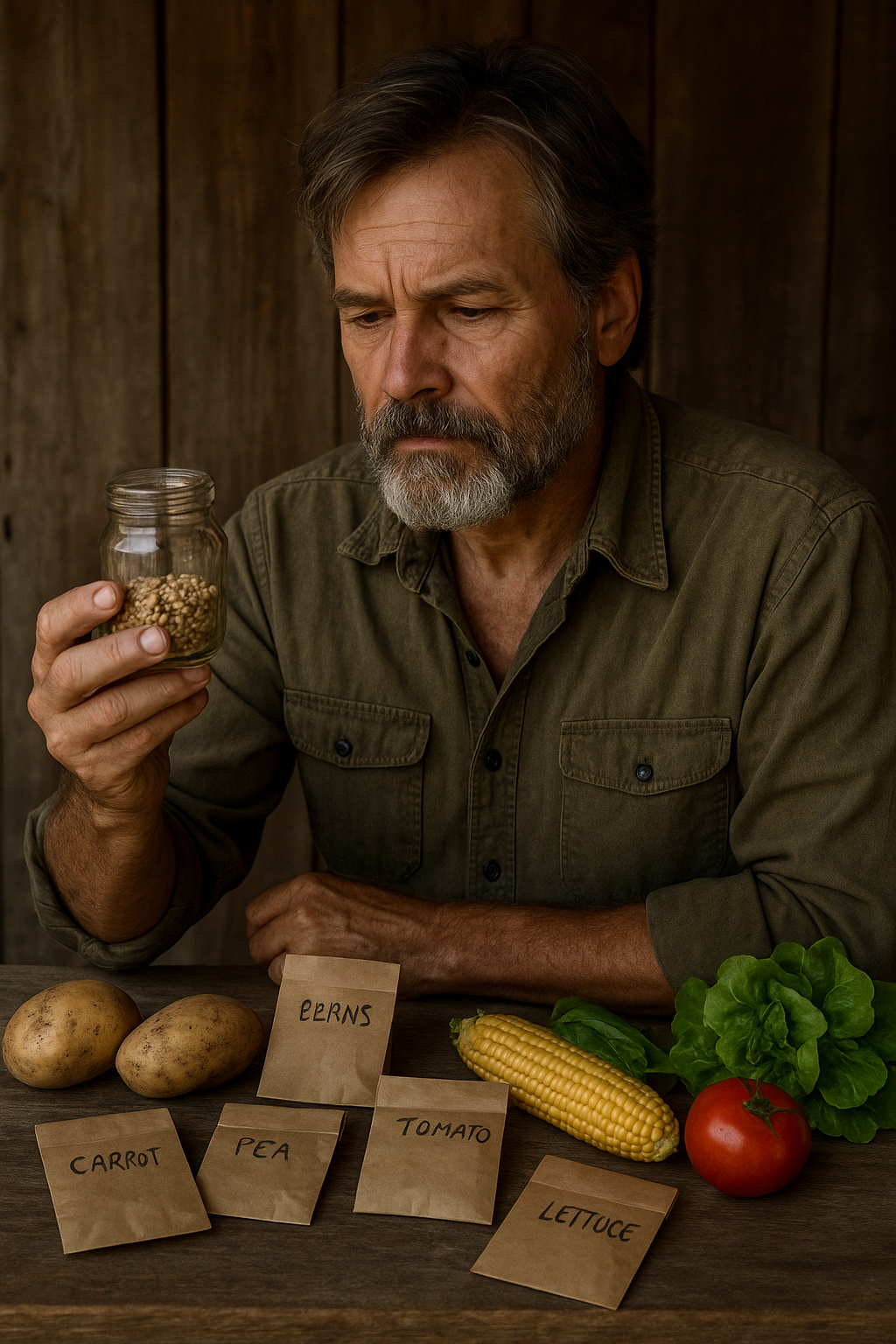
Every prepper knows that food storage is vital — but even more powerful than stored food are stored seeds.
Seeds are life. With the right collection, you can grow endless harvests, season after season, no matter what happens in the world.
A survival seed bank gives you independence, security, and the ability to rebuild.
Let’s explore the essential survival seeds you should always have — and how to grow, save, and replant them for generations to come.
🌻 1. Why a Survival Seed Bank Matters
Food runs out. Seeds don’t — if you know how to use them.
A small box of seeds can feed a family for years, providing both nutrition and hope.
Unlike store food, seeds multiply: one plant can give you dozens or even hundreds of new seeds for the next season.
💡 Tip: Store your seed collection in a cool, dry, dark place — vacuum-sealed bags or airtight jars work best.
🥕 2. Must-Have Vegetable Seeds for Survival
These are your core food producers — easy to grow, nutritious, and dependable.
Root Crops:
-
Potatoes (grown from eyes) – calorie-dense and storable.
-
Carrots & Beets – great for long-term cold storage.
-
Radishes – fast-growing for quick food returns.
Leafy Greens:
-
Spinach & Kale – rich in vitamins, cold-resistant.
-
Lettuce – perfect for quick, fresh harvests.
Fruiting Vegetables:
-
Tomatoes – high in nutrition, easy to can or dry.
-
Peppers – long shelf life, full of flavor and vitamin C.
-
Zucchini & Squash – abundant and easy to grow.
💬 Survival gardening isn’t about exotic plants — it’s about reliability.
🌾 3. Grains and Calorie Crops
When calories are critical, grains are your safety net.
Top grain seeds:
-
Corn – used for food, flour, or animal feed.
-
Amaranth & Quinoa – ancient grains packed with protein and minerals.
-
Oats & Barley – great for cooler climates, easy to store.
💡 These crops are your “fuel crops” — high energy, long storage, and easy to process.
🌻 4. Protein-Rich Legumes
Protein keeps your body strong during survival times. Legumes are soil-builders too, restoring nitrogen naturally.
Best survival legumes:
-
Beans (pinto, black, navy) – long shelf life, high in calories.
-
Peas – thrive in cool weather and can be eaten fresh or dried.
-
Lentils – short growing cycle and excellent protein.
💬 Grow legumes between major crops to keep your soil fertile and balanced.
🌿 5. Medicinal and Culinary Herbs
In a survival world, herbs are not luxury — they’re medicine, flavor, and protection.
Essential herbs to plant:
-
Garlic – antibiotic and natural pest deterrent.
-
Basil & Oregano – antibacterial, great for preserving food.
-
Thyme & Rosemary – hardy, healing, and aromatic.
-
Mint – grows fast and calms digestion.
Herbs make your garden not just functional, but healing.
🌻 6. Perennial Food Sources — Grow Once, Harvest for Years
For true sustainability, add perennial crops that regrow without replanting.
Top perennial survival plants:
-
Asparagus – returns every spring for up to 20 years.
-
Rhubarb – tough and resilient.
-
Berry bushes (raspberry, blueberry) – long-lasting vitamin source.
-
Jerusalem artichoke – almost impossible to kill, high in calories.
💡 Perennials save labor and guarantee steady returns year after year.
7. Seed Saving: The Key to Endless Harvests
The real power of survival gardening lies in seed saving.
Each season, let a few plants mature and collect their seeds.
Rules for successful seed saving:
-
Only save heirloom (non-hybrid) seeds — hybrids don’t reproduce true.
-
Dry seeds completely before storage.
-
Label each seed type with date and variety.
💬 A single generation of saved seeds can feed your family — forever.
🌍 Conclusion
Building your survival seed collection isn’t just about being ready — it’s about creating a renewable food system.
Your garden can be a living source of independence, one that never stops giving.