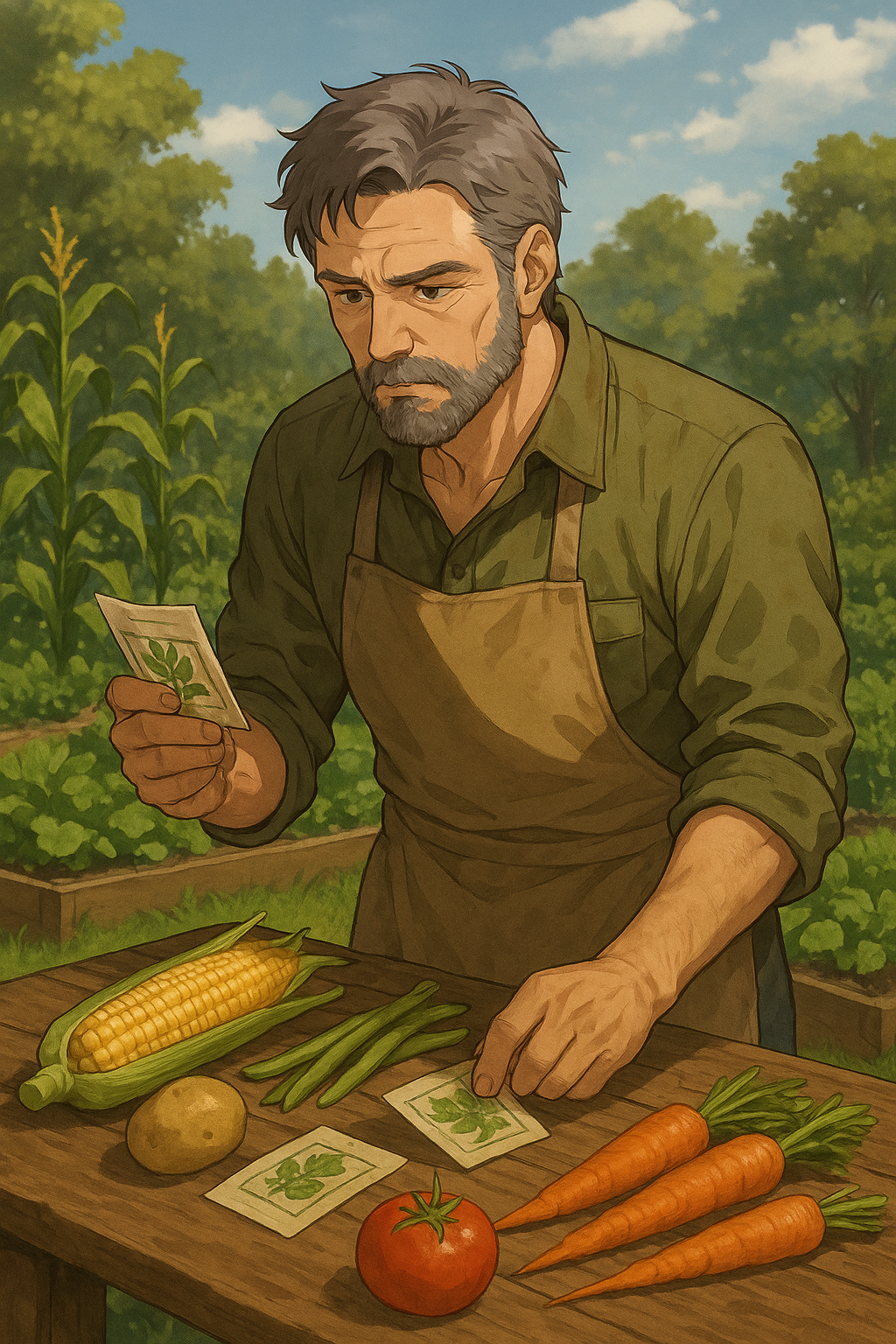

💡 Introduction
A survival garden isn’t about beauty — it’s about function, nutrition, and resilience.
When crisis hits, every seed you plant should have a purpose. You need crops that grow fast, store well, and keep your body strong.
But here’s the best part: even with limited space or poor soil, you can grow an impressive amount of life-sustaining food — if you choose the right plants.
This post will help you pick the most reliable survival crops that thrive with minimal effort and cost.
🌾 1. Focus on “Calorie Crops”
During normal times, we think about taste.
During survival, we think about energy.
Calorie-dense crops keep you moving when food is scarce.
They’re the backbone of every prepper’s garden.
Best choices:
-
Potatoes — easy to grow, high in calories, and store for months.
-
Sweet potatoes — thrive in heat and poor soil, plus full of vitamins.
-
Corn — gives both food and livestock feed; perfect for small homesteads.
💡 Pro tip: Mix root and grain crops — that way, if one fails, you still have another calorie source ready.
🥬 2. Grow Fast-Maturing Crops for Quick Returns
In emergencies, you don’t always have months to wait.
That’s where fast crops come in — they provide fresh nutrition quickly.
Try these:
-
Radishes — ready in 3–4 weeks.
-
Lettuce and spinach — perfect for early harvests.
-
Green onions and herbs — grow fast, add flavor, and regrow endlessly.
💬 Think of these as your “first harvests” — the crops that keep you alive while others mature.
🫘 3. Include Protein-Rich Plants
Meat may not always be available — but your garden can supply protein too.
Top protein crops:
-
Beans and lentils — cheap, nutritious, and full of fiber.
-
Peas — grow quickly and enrich the soil with nitrogen.
-
Soybeans or chickpeas — high-protein staples that store beautifully.
💡 Survival gardening isn’t just about calories — it’s about balance.
🌻 4. Grow Crops That Store Well
In a true survival scenario, long-term storage is everything.
You want plants that can be dried, canned, or kept in a cool corner for months.
Reliable storage crops:
-
Winter squash (pumpkin, butternut) — can last 6+ months.
-
Onions and garlic — resist spoilage, boost flavor, and health.
-
Carrots and beets — hardy, nutritious, and great for root cellars.
💬 Every harvest should feed both today and tomorrow.
🌿 5. Choose Multi-Use Plants
The smartest preppers grow plants with multiple functions.
They provide food, medicine, and soil enrichment all at once.
Top multi-use choices:
-
Aloe vera — healing for burns, easy to grow indoors.
-
Herbs like basil, thyme, and oregano — great for cooking, antibacterial, and insect-repelling.
-
Sunflowers — edible seeds, animal feed, and oil source.
🪶 In survival, versatility equals power.
🌾 6. Adapt to Your Climate and Space
Don’t fight your environment — work with it.
If you live in a hot, dry area, choose drought-resistant plants like beans, okra, or sweet potatoes.
If your climate is cool and wet, try cabbage, kale, or potatoes.
💡 Even in apartments, you can grow compact survival crops in containers — like herbs, peppers, or dwarf tomatoes.
🏁 Conclusion
A true survival garden isn’t built overnight — it’s crafted with purpose.
Every seed you plant should bring you one step closer to independence.
By focusing on high-calorie, fast-growing, and easy-to-store crops, you can feed yourself even when the world outside stops.