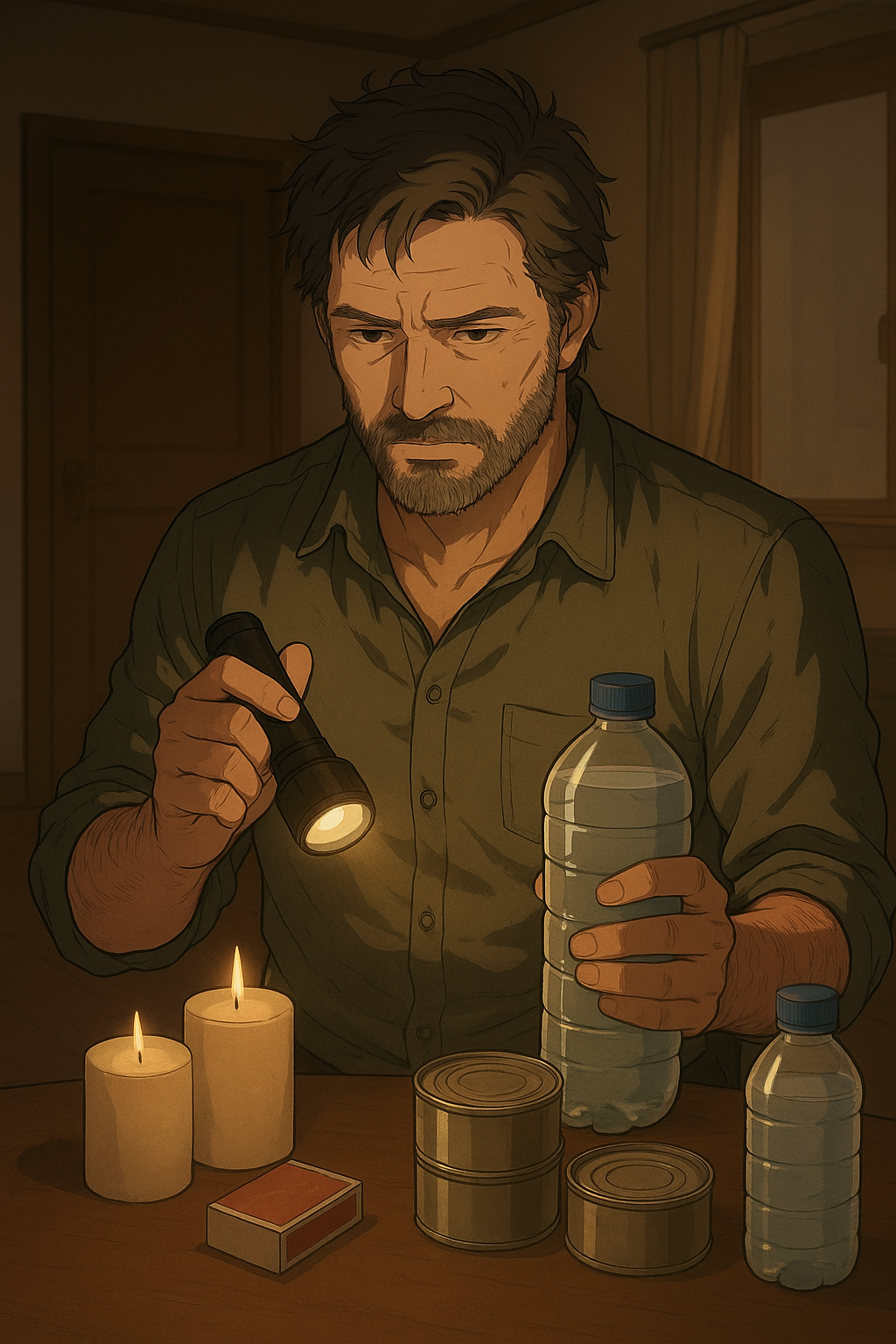

💡 Introduction
Prepping doesn’t always mean running to the forest or building an underground shelter.
True survival begins right where you live — in your home.
You can turn any small apartment, house, or even a rented room into a safe, self-sufficient space without spending much money.
This post will show you how to strengthen your home’s readiness step by step, using creativity, practicality, and a few simple items you already own.
🔋 Step 1: Create a Home Power Backup
Electricity is one of the first things to disappear in a crisis. But losing power doesn’t have to mean losing control.
Start small:
-
Store candles, flashlights, and batteries in easy-to-reach spots.
-
Invest in a cheap power bank for your phone (they can be found for $10–15).
-
If you can, get a small solar charger — they’re perfect for recharging devices during long blackouts.
💡 Pro tip: Always test your gear once a month so you’re not surprised when you need it most.
💧 Step 2: Build a Water Reserve
Water is life — and the tap isn’t guaranteed.
Keep at least one gallon (4 liters) per person, per day for three days.
How to do it on a budget:
-
Reuse old juice or soda bottles (just clean them with a bleach-water mix).
-
Store them in a cool, dark place like a closet or under your bed.
-
Rotate the water every 6 months to keep it fresh.
💬 Bonus tip: Freeze a few bottles — they’ll keep your fridge cold during outages and become drinking water later.
🍲 Step 3: Build a Pantry That Lasts
Your kitchen is your first line of defense.
You don’t need fancy freeze-dried meals — just focus on long-lasting, simple foods:
-
Rice, beans, oats, pasta, peanut butter, canned meat, and vegetables.
-
Keep a manual can opener handy (no electricity needed!).
-
Organize food by expiration date — “first in, first out.”
💡 Think of your pantry as insurance you can eat — useful in emergencies, but also on tough financial days.
🪟 Step 4: Strengthen Home Security
You don’t need alarms or cameras to feel safer.
Start with the basics:
-
Keep doors and windows locked at all times.
-
Use wooden dowels or metal rods in sliding windows for extra protection.
-
Add cheap motion-sensor lights near entry points — they’re deterrents that work.
And don’t underestimate neighbors. A trusted neighbor is one of the best early-warning systems in the world.
🧺 Step 5: Create a Comfort Zone
Prepping isn’t just about survival — it’s also about stability and calm.
During long blackouts or storms, your mindset matters as much as your supplies.
Keep:
-
A book or deck of cards for distraction.
-
A small stash of comfort food (coffee, chocolate, tea).
-
A blanket and spare clothes for warmth and morale.
Even when the world outside feels uncertain, your home should feel like your stronghold — a place where you can breathe, rest, and plan your next move.
🏁 Conclusion
Preparing your home doesn’t take wealth — it takes wisdom.
Every candle, every can of food, every filled water bottle builds your resilience.
With just a few affordable changes, you can transform your living space into a safe haven ready for anything.