
💡 Introduction
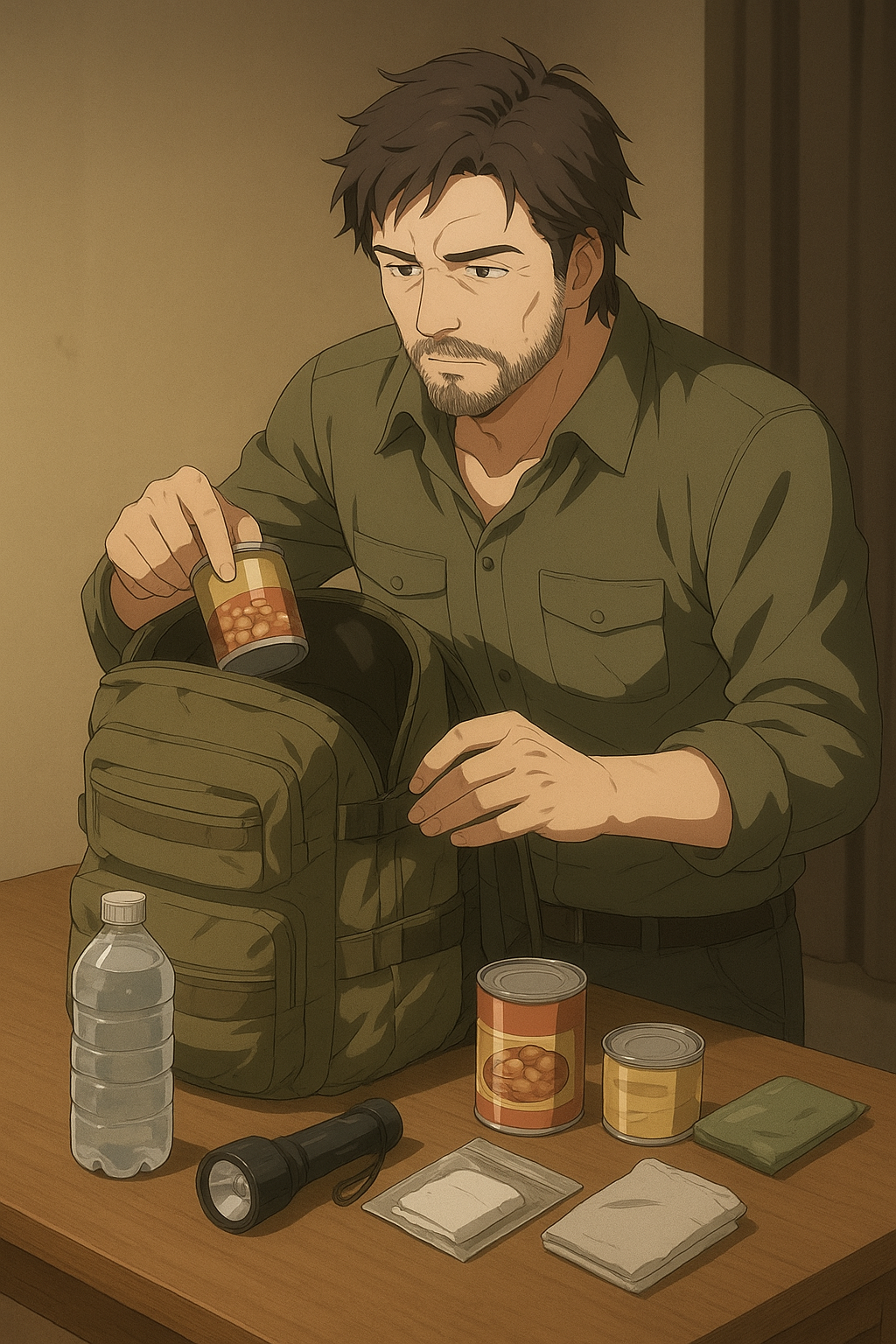
A bug-out bag isn’t just a backpack — it’s your lifeline when things go wrong. Whether it’s a blackout, a natural disaster, or a sudden evacuation, this bag should hold everything you need to survive for 72 hours.
And the best part? You can build one for under $50 if you shop smart and think creatively.
Let’s break it down step by step.
🎒 Step 1: Pick the Right Backpack
You don’t need a tactical $200 rucksack. Start with what you have — an old school bag or hiking pack.
If it’s sturdy, has multiple pockets, and can handle a bit of rain, it’s perfect.
💡 Bonus tip: Check thrift stores or flea markets — you can often find high-quality used backpacks for just a few dollars.
💧 Step 2: Water — The True Lifesaver
Every bug-out bag needs a reliable water source.
-
1–2 sealed bottles of water (from the dollar store).
-
A small bottle of bleach (for purification — 2 drops per liter of water).
-
A ziplock bag or plastic sheet — it can collect rainwater in an emergency.
💬 Remember: No water = no survival. Always make it your first priority.
🍞 Step 3: Food — Simple, Compact, and Lasting
You don’t need military rations to stay alive. Focus on calorie-dense, non-perishable food:
-
Canned beans, tuna, or soup.
-
Peanut butter (excellent energy source).
-
Protein bars or instant noodles.
💡 Tip: Pack a small can opener if your cans don’t have pull tabs.
🔦 Step 4: Light & Power
You can’t fix what you can’t see. Add:
-
One LED flashlight (cheap but essential).
-
Extra batteries.
-
A small lighter or waterproof matches.
If possible, find a hand-crank flashlight or radio — often available in discount stores or online for a few dollars.
🩹 Step 5: Mini First Aid Kit
Emergencies bring cuts, burns, and blisters.
Include:
-
Bandages, antiseptic wipes, and pain relievers.
-
A small roll of duct tape (works wonders on blisters or broken gear).
💬 Even a few basic items can make the difference between comfort and infection.
🧥 Step 6: Warmth & Shelter
Weather can turn on you fast. Prepare with:
-
A foil emergency blanket or compact sleeping bag.
-
A cheap poncho or plastic tarp for rain cover.
-
A spare pair of socks (dry feet = survival).
💡 Pro tip: Keep your bag near the exit of your home — seconds count in a real emergency.
🪶 Step 7: Personal Essentials
Pack items that keep you clean and calm:
-
Toothbrush, wipes, and soap.
-
A notepad and pencil for notes, maps, or messages.
-
A few small bills in cash — ATMs don’t work when the grid is down.
🏁 Conclusion
Building your first bug-out bag doesn’t have to be expensive — it’s about thinking practically, not buying fancy gear.
With less than $50 and a bit of effort, you can have peace of mind knowing that you’re ready for the unexpected.