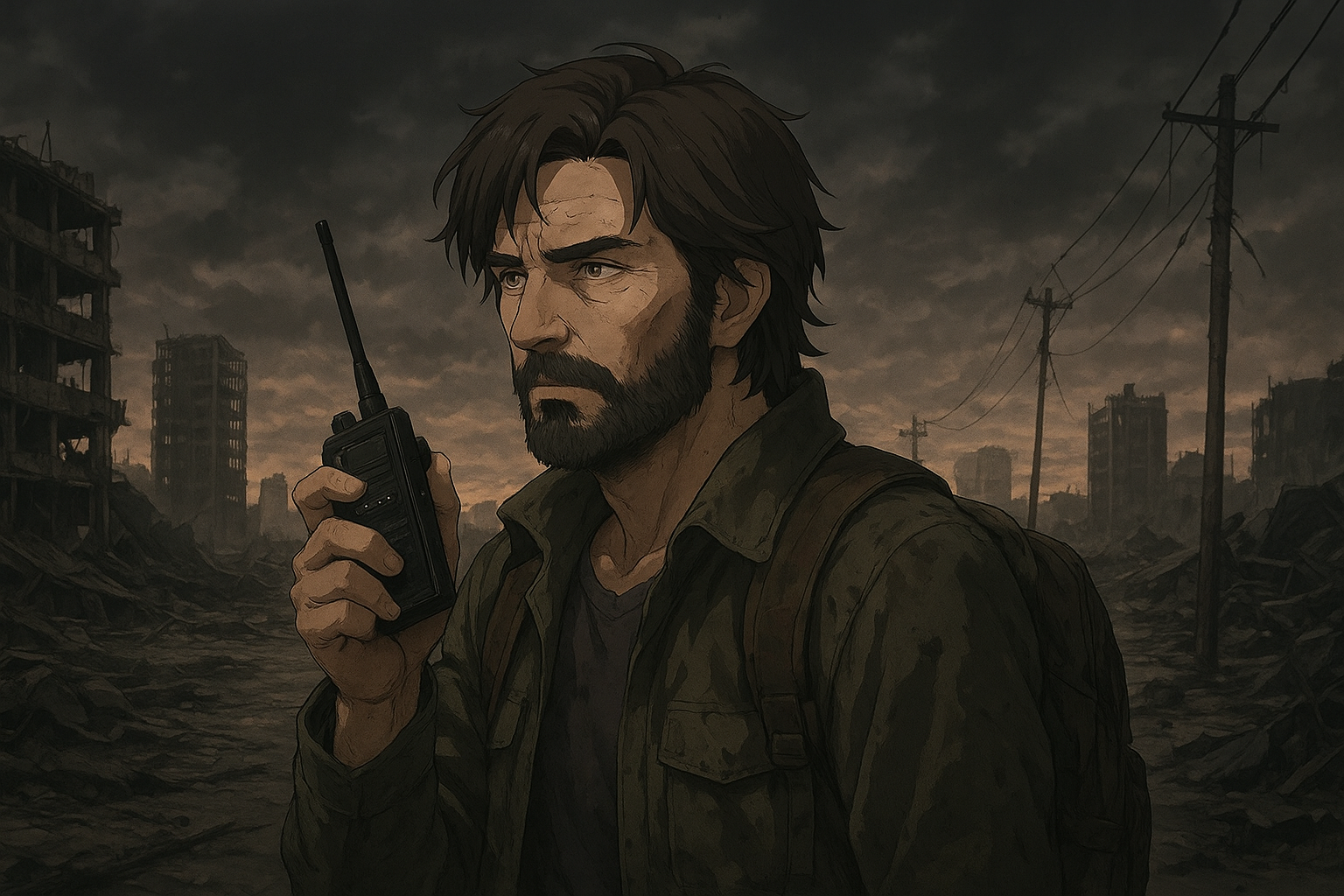

When disaster hits, chaos is often the first reaction — panic, confusion, and lost signals. One of the most terrifying moments is not knowing where your loved ones are or how to reach them. In these situations, a solid communication and reunion plan can turn fear into control. Let’s explore how to make sure your family stays connected, even when technology and infrastructure fail.
🛰️ Step 1: Build a Multi-Layered Communication Plan
Don’t rely on a single method of contact. During crises, cell networks can go down, Wi-Fi can fail, and electricity may be unavailable.
Have backup layers like:
-
Primary: Cell phones or messaging apps (Signal, Telegram, or even WhatsApp if available).
-
Secondary: Two-way radios or walkie-talkies — especially models with emergency channels.
-
Tertiary: Prearranged meeting points or paper maps with marked safe zones.
Every family member should understand the order of communication methods and who to contact first if they can’t reach you directly.
🧭 Step 2: Establish Clear Meeting Points
Choose two meeting locations:
-
Near Home: For small-scale emergencies (like power outages or fires).
-
Outside the City: For large-scale disasters (earthquakes, floods, or civil unrest).
Mark these places on a printed map and give every family member a copy. Add landmarks that don’t depend on technology — rivers, big buildings, or natural features.
🔋 Step 3: Keep Communication Tools Charged and Ready
A communication plan is only as strong as your gear. Each person should have:
-
A portable solar charger or power bank (rechargeable by sunlight).
-
A hand-crank radio for news and emergency broadcasts.
-
A whistle or signal mirror for visual or audible communication.
Pack these in your family’s emergency go-bags — not tucked away in a drawer.
📋 Step 4: Create a Family Contact Card
Technology can fail, but paper doesn’t run out of battery. Make a contact card for each family member listing:
-
Full names and birthdates
-
Emergency contacts (family, neighbors, out-of-town friend)
-
Meeting point addresses
-
Medical conditions or allergies
Laminate the cards to keep them waterproof and long-lasting.
💬 Step 5: Practice and Update Regularly
A plan that’s never tested is a plan that fails when needed most.
-
Hold family drills every few months.
-
Test walkie-talkie ranges.
-
Review the communication order and update contact info.
Make it a game for kids — simulate power loss or internet failure and challenge them to reconnect using your plan.
💡 Final Thought
In the aftermath of disaster, communication means survival. Whether it’s a citywide blackout or a natural catastrophe, knowing how to reach and reunite with your family gives you power — emotional, mental, and physical.
Prepared families don’t just survive the chaos; they lead others out of it.